

The nineteenth century ushered in a new way of exploring the world. The expansion of railway and maritime networks, the opening of new trade routes, and the rise of leisure travel offered artists horizons that had previously been difficult to reach. Whether fulfilling a commission, pursuing a personal quest, or seeking a deeper understanding of landscapes and civilizations, many came to regard travel as an essential stage in their artistic development. More than a source of inspiration, it became a genuine creative tool.
Bringing together a selection of works produced between the mid-nineteenth century and the early decades of the twentieth, Artists' Journeys explores this artistic geography in which every destination transformed the artist's vision. From the Nile Valley to the shores of the Bosphorus, from the villages of the Maghreb to the coast of Brittany, from the banks of the Danube to the Gulf of Naples, and from Mediterranean landscapes to the Seine Valley, the artists presented here reveal the rich dialogue between the experience of travel and artistic invention.
For Orientalist painters, travel often proved to be a defining experience. Beginning in the 1830s, journeys to Egypt, Turkey, North Africa and the Levant opened up entirely new fields of observation. Far from their Parisian studios, artists encountered unfamiliar light, monumental architecture, desert landscapes, and a remarkable diversity of costumes, customs and traditions, all of which profoundly enriched their visual language. The works of Victor Huguet, Théodore Frère, Narcisse Berchère, Eugène Girardet, Charles-Zacharie Landelle, Lucien Lévy-Dhurmer, Louis-Émile Pinel de Grandchamp, Carl Haag and Edwin Long reflect this desire to confront Orientalist imagination with direct observation. While each developed a distinctive artistic sensibility, all transformed travel into a laboratory for a new vision of the world.
This discovery of the East finds its counterpart in another form of exploration, geographically closer yet equally transformative. By the end of the nineteenth century, Impressionist and Post-Impressionist painters travelled throughout the French provinces and the European coastline in search of distinctive light and unspoiled landscapes. Henry Moret and Maxime Maufra's Brittany, Maximilien Luce and Pinchon's views of the Seine, Achille Laugé's sunlit gardens, Amédée Marcel-Clément's seascapes, and Franz Unterberger's vision of the Gulf of Naples all exemplify a renewed approach to landscape, now understood as the setting for a deeply personal sensory experience. Here, travel was no longer about discovering distant exoticism, but about capturing a particular atmosphere, a unique light, and the emotional resonance of place.
The exhibition also extends to sculpture through the work of Anna Quinquaud, whose numerous expeditions to French West Africa from the 1930s onwards occupy a distinctive place in the history of French art. Among the first women sculptors to undertake prolonged journeys across the African continent, she produced an extensive body of studies on site, modelling directly from life the men, women and children she encountered. Her work reflects an approach rooted in close observation, in which travel became both an instrument of knowledge and a source of artistic inspiration. Her presence in the exhibition reminds us that this openness to the wider world extended far beyond painting, permeating artistic creation as a whole.
Through this selection, Galerie Ary Jan offers less an inventory of destinations than a reflection on the ways artists perceived the world around them. Although the landscapes, cities and figures depicted belong to diverse cultures and territories, they all share one essential characteristic: they are the result of lived experience. Travel emerges as a catalyst, transforming the artist's perception, renewing the palette, and reshaping both composition and observation. More than an iconographic subject, it became one of the principal driving forces behind artistic renewal between the nineteenth and twentieth centuries.
By bringing these works together, Artists' Journeys invites visitors to discover the world through the eyes of those who painted and sculpted it, revealing how every journey, whether near or far, contributed to shaping a new vision of artistic modernity.


Discover the events of the gallery
-
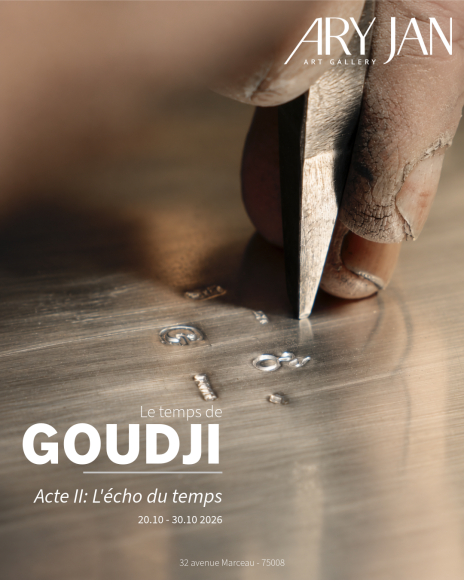 Goudji, Act II: The Echo of Time20th October 2026 - 31st October 2026 (Current)
 -
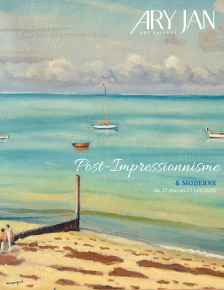
 Post-Impressionism & Modern21st May 2026
 -
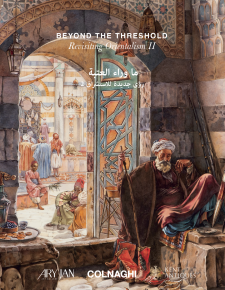
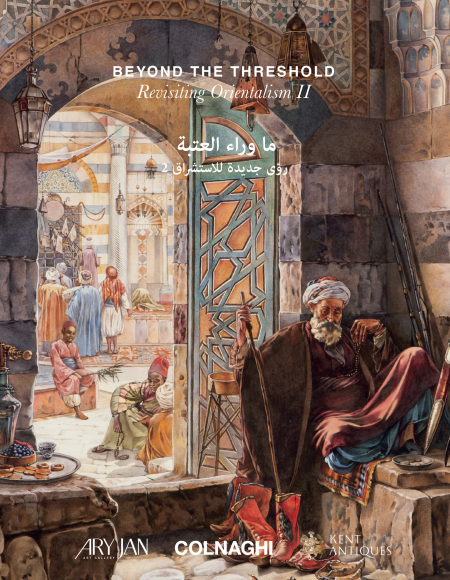 Beyond the threshold: Revisiting Orientalism II20th April 2026
 -
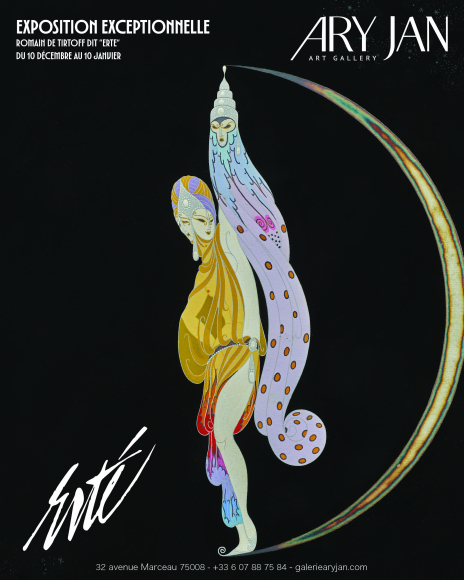 Exceptional exhibition: Romain de Tirtoff alias "Erté"10th December 2024
 -
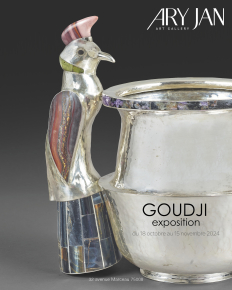
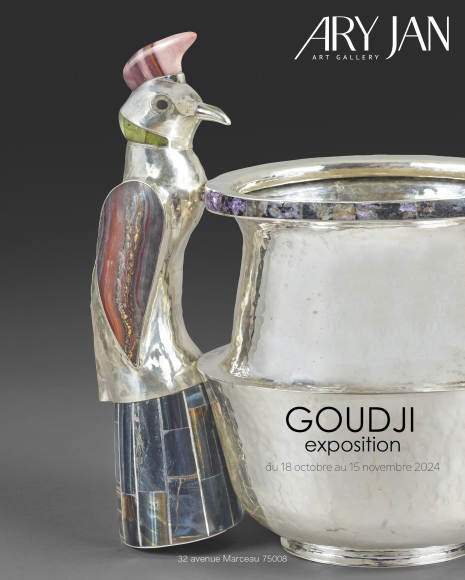 GOUDJI : the exhibition18th October 2024
 -
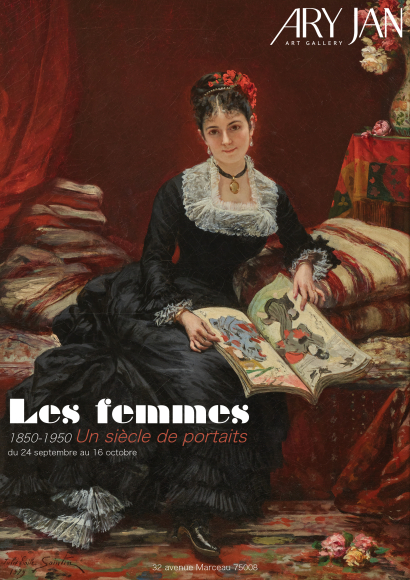 Exhibition: Women, a century of portraits (1850-1950)24th September 2024
 -
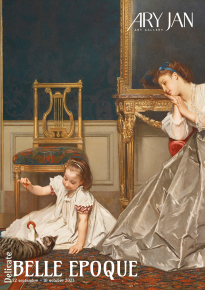
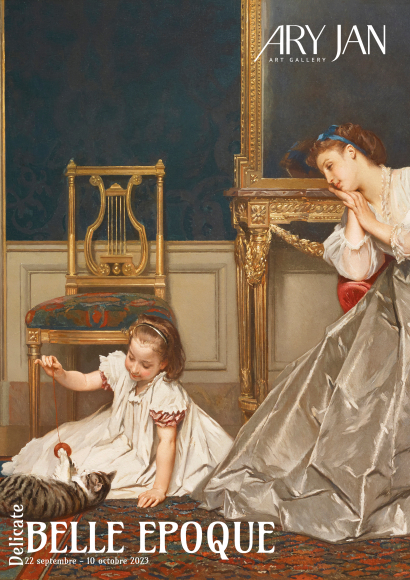 Exhibition - DELICATE BELLE EPOQUE22nd September 2023
 -
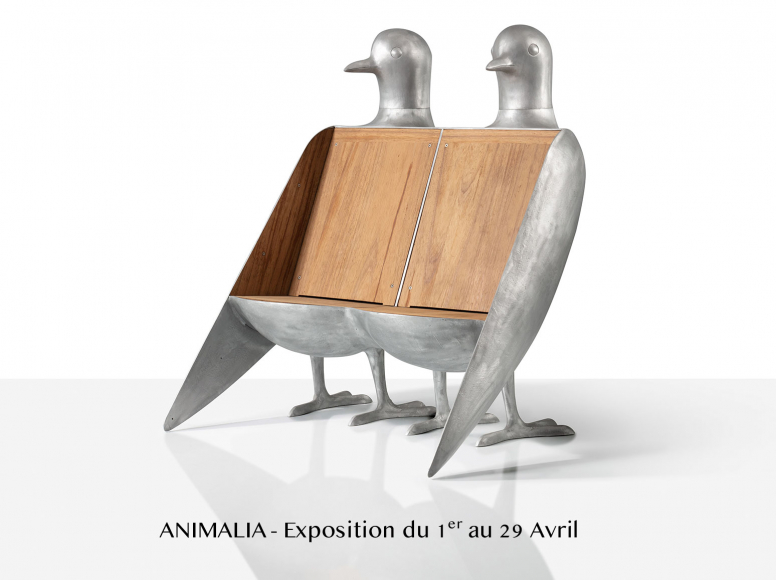 Animalia01st April 2023
 -
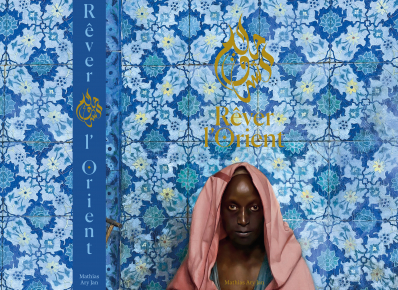
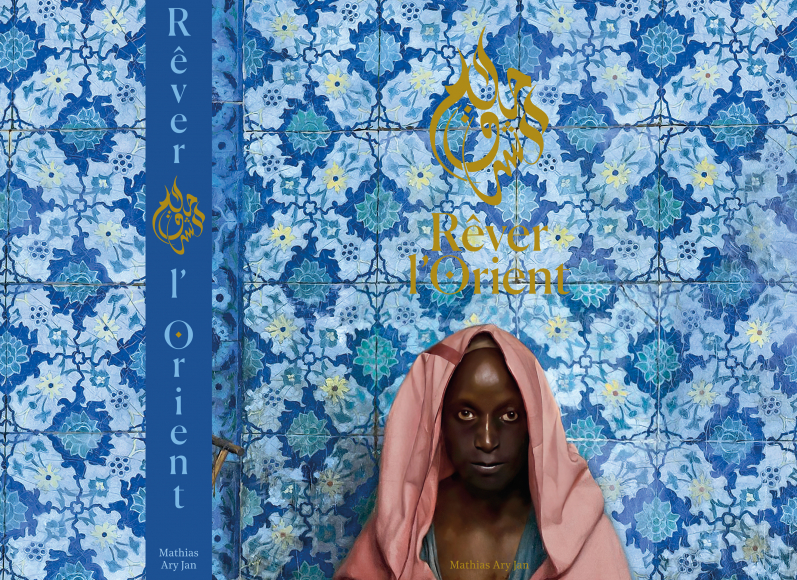 Oriental Dreams02nd December 2022
 -
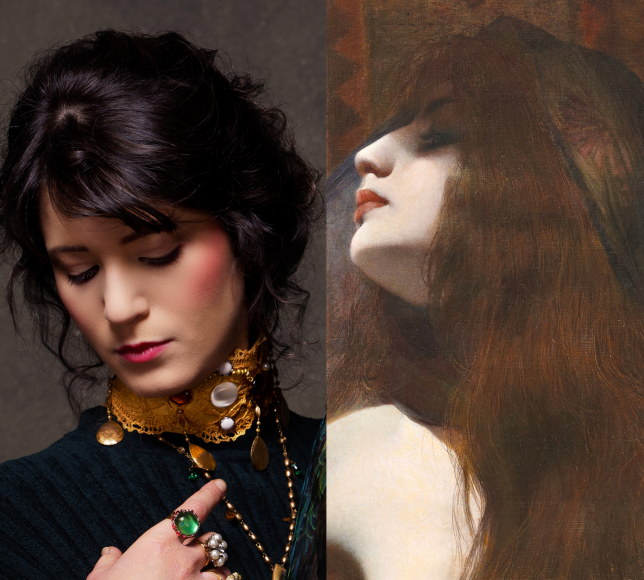 Exhibition - D'UN REGARD À L'AUTRE23rd September 2022
 -
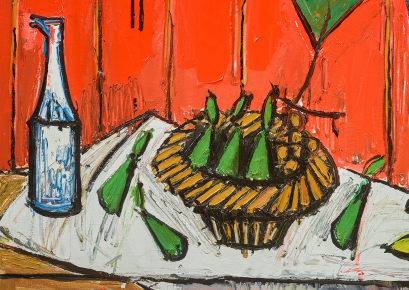
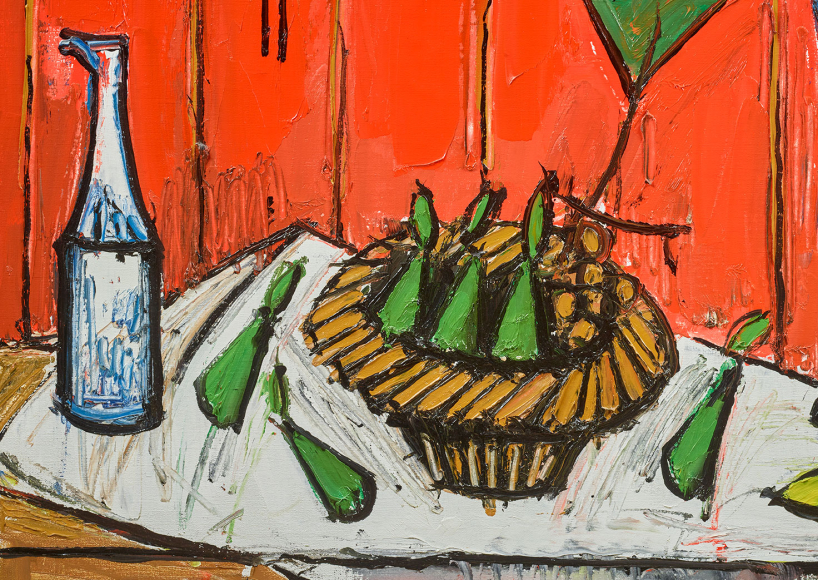 Bernard Buffet Exhibition25th July 2022
 -

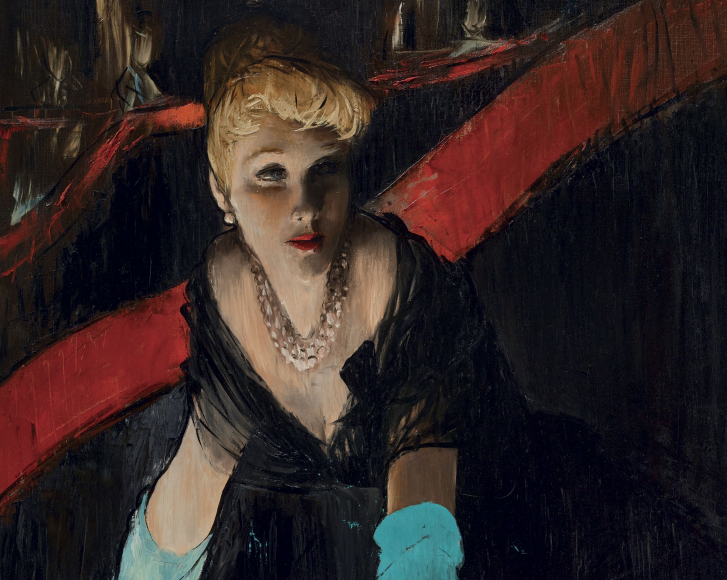 René GRUAU Collection25th May 2022
 -
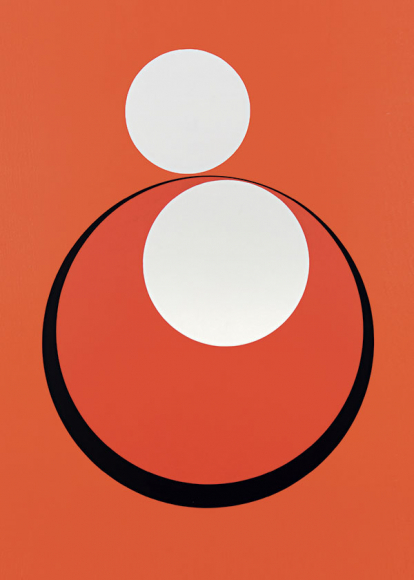 RED - Two centuries of painting30th November 2018
 -
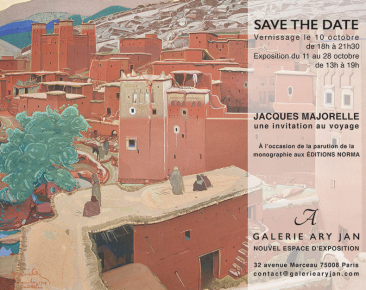
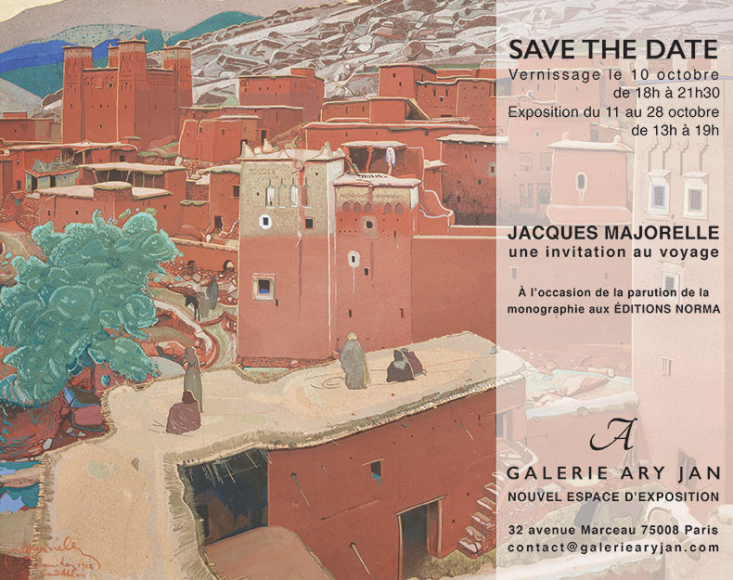 Jacques Majorelle, une invitation au voyage11th November 2017
 -

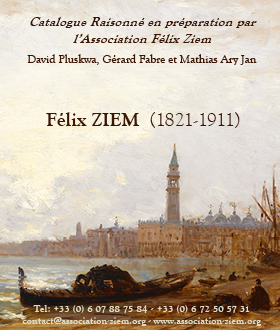 Félix Ziem Exhibition02nd April 2013


75008 Paris, France
Saturdays from 2 to 7 p.m.